Microphone rental in Singapore: channel count
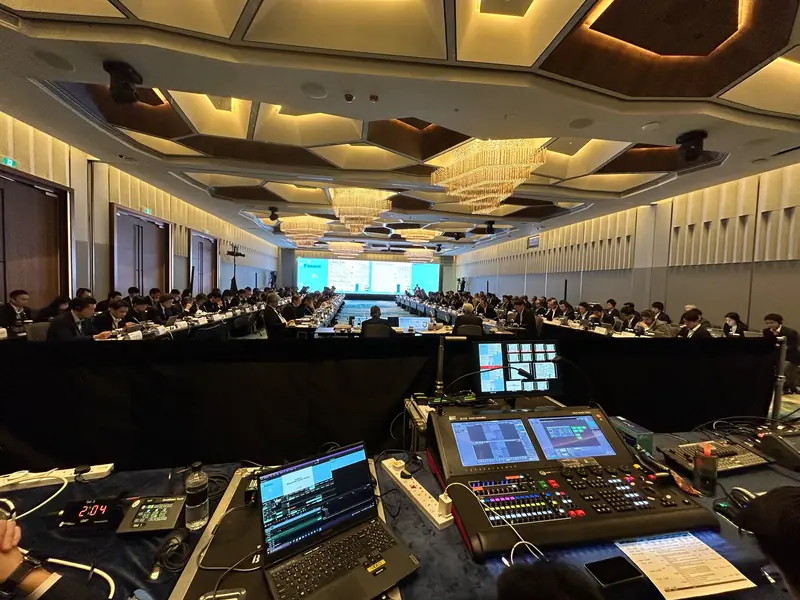
The question people ask is how many microphones they need. The question that decides the rig is how many have to be open at the same time.
Those are different numbers, and the second one is the one that costs money.
Open channels, not microphone count
A panel of six with one microphone each is six open channels. A conference with two roving handhelds for questions is two, however many sessions run across the day, because the same pair gets handed around.
Open channels drive the receiver count, the desk size and the radio planning. They also drive how much can go wrong at once, which is the real argument for keeping the number honest rather than generous.
Handheld, lavalier, headset
Handheld is the default and the most forgiving. It is obvious to hold, easy to hand over, and a speaker who drifts off axis mostly corrects themselves.
Lavalier clips to the lapel and frees both hands, which suits a presenter who is demonstrating something or working a stage. It is also more fragile: it picks up clothing rustle, it sits further from the mouth so it runs hotter and feeds back sooner, and it needs a minute of fitting per person.
Headset solves the distance problem by keeping the capsule at a fixed spot near the mouth. It is what you want for anyone moving fast or presenting over music, and it is the least discreet of the three.
Radio is the part that goes wrong
Every wireless microphone is a small radio transmitter competing for spectrum with every other radio in the building, including the ones the venue and the floor above are running.
Frequencies get coordinated before the day and checked again in the room, because a frequency that was clear last month in the same ballroom is not guaranteed clear this month. Dropouts and bursts of interference during a speech almost always trace back to this, not to the microphone itself.
It is also why channel count matters beyond cost. More open transmitters means less room in the spectrum and tighter coordination.
Somebody has to be on the desk
Every microphone left open eats into the gain available before the system rings. Levels have to come up on whoever is speaking and go down on everyone else, in time with the running order.
A technician on the desk is listed on corporate AV and sound for that reason rather than as an upsell. A rig left in one static state is the usual reason a room sounds thin through the middle of an event and then squeals during questions.
What moves the price
Open channel count first, then microphone type, then whether the room needs a larger desk to handle it. Playback sources, interpretation feeds and a record output all take channels too, so they belong in the same count rather than being added at the end.
The rest of what sits behind the microphones is on the equipment list.
What to send us
The running order, how many people speak, and whether anyone is moving while they do it. The channel count falls out of that in a couple of minutes.
Send the running order and we will come back with the channel count and what it needs behind it, rather than a list of microphone models.